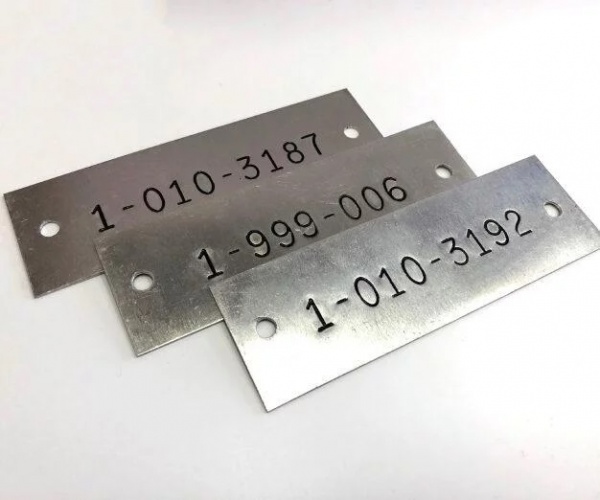
Reliable identification is critical in industrial environments where assets are exposed to heat, moisture, vibration, and corrosive elements. A properly engineered tag stainless steel solution supports long-term traceability for valves, pipelines, and equipment used in demanding Canadian industries such as energy, utilities, and manufacturing. These tags are designed to remain legible and securely attached over time, helping teams maintain accurate records, improve safety protocols, and meet operational standards without frequent replacement.
The high-performance steel tags are valued for their strength and resistance to wear in both indoor and outdoor applications. Compared to alternative materials, stainless tags offer superior protection against rust, chemical exposure, and mechanical stress. This makes them well suited for environments where consistent identification is essential for inspections, maintenance schedules, and asset management systems. Their durable construction ensures that critical information remains intact despite repeated handling or harsh cleaning processes.
For applications that require flexibility without compromising durability, stainless steel tags paired with secure fastening methods provide a dependable identification option. Stainless steel cable tags are particularly effective in locations where drilling or permanent mounting is not practical. The cable attachment allows for quick installation while maintaining a strong hold, even in high-vibration settings such as processing plants or offshore facilities. This approach supports efficient deployment while ensuring long-term reliability.
In complex industrial systems, stainless cable tags help streamline asset tracking by offering consistent performance across varied conditions. Their corrosion-resistant properties and permanent marking techniques support clear visibility throughout the equipment lifecycle. By using materials and manufacturing practices suited to Canadian operating environments, these identification solutions contribute to improved operational efficiency, reduced downtime, and enhanced workplace safety without overstating performance or making misleading claims.



 Texas Luxury Home Remodeling
 New jersey truck accident lawyer
 Visit Myfinal11 Website